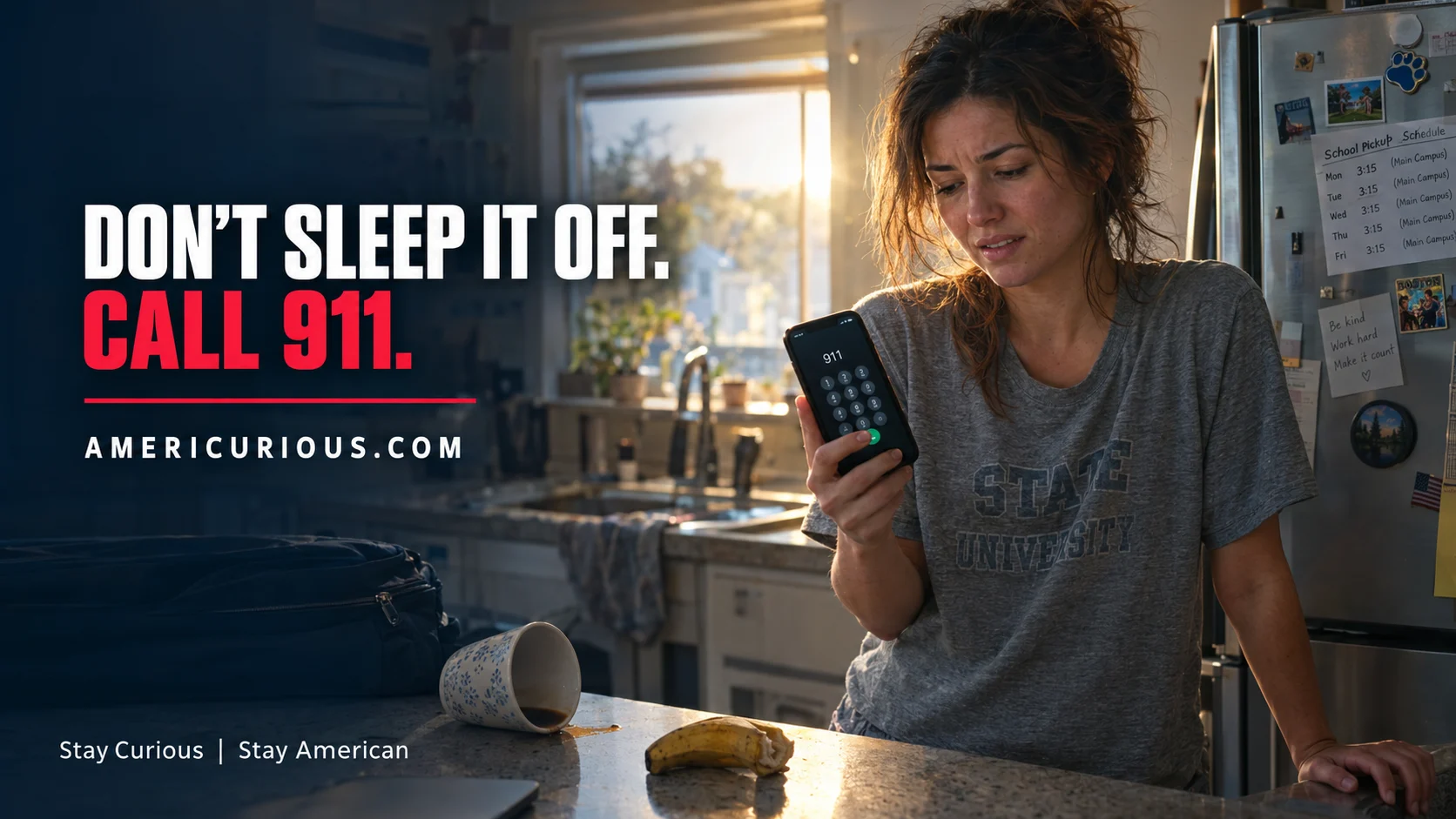
Strokes are rising in Americans under 55, and young people are often misdiagnosed. Learn the BE FAST signs, the myths that cost minutes, and exactly what to do on World Stroke Day 2026.
Quick Answer (For the Skimmers)
A stroke is a brain attack that happens when blood flow to part of your brain is blocked or a vessel bursts. In the U.S., someone has one roughly every 40 seconds, and a new 2026 study shows rates in adults aged 20 to 54 have nearly doubled since the 1990s. If you spot one sudden sign (Balance, Eyes, Face, Arm, Speech), call 911 immediately. Don’t drive. Don’t ‘sleep it off.’
Now, grab a coffee. Let’s talk about the thought that’s quietly the most dangerous symptom of all.
The Four Most Expensive Words in Medicine
‘It’s probably nothing. Probably.’
We’ve all said it. You wake up with a weird tingle in your hand. The room tilts for a second. Your words come out like a bowl of spaghetti. You think: I’m 34. I had a big week. I need a nap and maybe a salad.
Here’s the thing, friends. Your brain is the one organ that can’t call in sick, and it’s also the one that’s worst at noticing when something’s wrong with it.
Today is World Stroke Day (October 29), and this year marks 20 years of the global campaign run by the World Stroke Organization. The 2026 theme, #EveryMinuteCounts, boils down to a simple message: learn the signs and act FAST.
But we’re going to go a little deeper than the usual poster. Because the story that doesn’t get told enough in America is this one:
Stroke is no longer just your grandpa’s problem.
Wait, Strokes Are Rising in Younger Adults?
Yep. And it’s not just a scary headline.
A study published in the journal Neurology in September 2026 followed first-ever strokes in adults aged 20 to 54 in the Greater Cincinnati and Northern Kentucky region from 1993 to 2020. The rate nearly doubled, climbing from about 34 to about 62 per 100,000 people per year.
Meanwhile, stroke rates in adults 55 and older fell by roughly 27%.
So the older crowd is getting better odds while the younger crowd is, well, getting a surprise.
The national numbers back it up
The American Heart Association’s 2026 Heart Disease and Stroke Statistics report found that stroke death rates ticked up among two groups: adults ages 25 to 34 (up 8.3% from 2013 to 2023) and adults over 85.
That’s the youngest and oldest ends of the adult spectrum, both heading the wrong way.
A fair caveat (because we respect you)
The researchers themselves note the study can’t say why rates climbed, and it looked at one region, so it isn’t a perfect national snapshot. What they did see: high blood pressure, diabetes, atrial fibrillation, and substance use were more common among younger stroke patients in the later years.
Here’s the silver lining. Younger patients were also less likely to die within 30 days than before. More people are surviving, which means more people are living with the aftermath. That makes prevention and speed matter even more.
Related Reading….
Why Family Health Insurance Costs $27K Now – And Why You’re Broke Even With Coverage
The Big Picture: Stroke by the Numbers (U.S.)
| Stat | What It Means |
|---|---|
| Every 40 seconds | Someone in the U.S. has a stroke |
| 795,000+ per year | Total strokes annually (about 610,000 are first-timers) |
| About 1 in 4 | Strokes happen in people who’ve already had one |
| Every 3 min 14 sec | Someone dies of stroke in the U.S. |
| 446 per day | Stroke deaths in 2023 |
| 4th leading cause | Stroke now ranks fourth among U.S. causes of death, ahead of COVID-19 |
Table: Stroke snapshot in the United States. Sources: CDC; American Heart Association 2026 Statistics Update.
Read that first row again. The time it takes you to microwave leftovers, another American has a stroke.
Meet the Story That Should Make You Sit Up
Patrick Mascoli was 29, healthy, and active. He collapsed at the gym and had to crawl to find help.
First responders figured he might be badly dehydrated. Then, when the dizziness and vomiting kept going, vertigo came up. It took a transfer to Boston Medical Center and an MRI to find the real culprit: a stroke in the cerebellum, the part of the brain that handles balance and coordination.
He’s far from alone. Doctors say younger people often get their symptoms mistaken for migraine, anxiety, or plain old fatigue. And younger patients face a documented pattern of missed or delayed diagnoses.
A stroke doesn’t check your birth certificate. It checks your blood vessels.
The takeaway? Be your own loudest advocate. If something feels dramatically wrong, and it came on suddenly, say the word ‘stroke’ out loud to the people treating you. Seriously. Say it.
BE FAST: The Upgrade You Didn’t Know You Needed
Most of us learned FAST in health class or from a hospital poster. The American Heart Association and American Stroke Association now recommend BE FAST, which adds two signs that FAST misses.
🧠 BE FAST Cheat Sheet
- B – Balance: Sudden loss of balance or coordination
- E – Eyes: Sudden trouble seeing in one or both eyes
- F – Face: One side droops or looks uneven when smiling
- A – Arm: One arm is weak or numb, or drifts down when raised
- S – Speech: Slurred, garbled, or confusing speech
- T – Time: Call 911 right now
Why do B and E matter so much? Because strokes in the back of the brain, like Patrick’s, can show up as dizziness, vertigo, and wobbly walking, not a droopy face. Those are exactly the symptoms people blame on dehydration, a bad night’s sleep, or that sketchy gas station burrito.
Two rules that surprise people
- You only need ONE sign. Stroke doesn’t come as a neat checklist. One sudden change is enough to dial 911.
- Call even if it goes away. Symptoms that fade can still signal a serious problem and need immediate evaluation.
Why ‘Just Drive Me There’ Is a Plot Twist You Don’t Want
It feels faster. It feels normal. It’s neither.
Health systems consistently advise: call 911, don’t drive yourself, and don’t let a family member play race car driver. Here’s why the ambulance wins:
- Paramedics can begin care on the way
- They can take you to a hospital equipped for advanced stroke care
- They can call ahead so the stroke team is waiting when you roll in
- You won’t be behind the wheel if your symptoms get worse mid-drive
And a handy rule of thumb: don’t eat, drink, or take aspirin on your own while waiting. Let the pros decide. Instead, note the time symptoms started. That detail is gold for the care team.
Why Every Minute Really Counts
Hospitals often cite an estimate that roughly 2 million brain cells are lost in the first minute of a stroke. You can’t grow those back by getting a good night’s sleep and a green smoothie.
A study in JAMA also found that starting treatment even 15 minutes sooner means less disability and more lives saved.
And yet, the American Stroke Association has noted that fewer than half of Americans know the signs of stroke.
Which means that a quick five-minute read today (hi, that’s you) could genuinely change someone’s tomorrow.
📊 Quick Poll: Be Honest, No One’s Grading
If you woke up with sudden slurred speech and a numb arm, what would you do first?
- 🅰️ Call 911 immediately
- 🅱️ Text my spouse and wait to see if it passes
- 🅲 Drive myself to urgent care
- 🅳 Sleep it off and Google it tomorrow
(Drop your answer in the comments. The right one is A, and we won’t judge anyone who needed this reminder.)
Myth-Busting Time
Myth: ‘I’m too young.’ Reality: Stroke can happen at any age, and cases in younger adults are climbing.
Myth: ‘Only unhealthy people have strokes.’ Reality: Lifestyle matters a lot, but some strokes occur in people with no obvious risk factors.
Myth: ‘Stroke symptoms are always dramatic.’ Reality: In younger adults especially, symptoms can look like migraine, anxiety, or exhaustion.
Myth: ‘If it goes away, I’m in the clear.’ Reality: Transient symptoms are still a reason to call 911.
What Actually Raises Your Risk?
Some things you can’t change, like age, family history, and genetics. But a surprising number you can. Researchers studying younger stroke patients keep seeing the same suspects:
- High blood pressure (the repeat offender)
- Diabetes
- Obesity
- Smoking and vaping
- Atrial fibrillation (an irregular heartbeat)
- Substance use, especially stimulants like cocaine
- Chronic stress and poor sleep, increasingly linked to stroke in younger adults, especially women
And there’s an equity piece worth naming. Black Americans face higher rates of high blood pressure and higher stroke mortality, which is exactly why regular blood pressure checks aren’t a luxury. They’re a lifeline.
Your ‘Brain Insurance’ Checklist 📝
The American Heart Association’s Life’s Essential 8 is a solid framework. Here’s the casual version:
- Know your blood pressure number. Get it checked at the doctor, pharmacy, or a home cuff
- Move your body. Aim for regular activity you actually enjoy (dance in the kitchen, it counts)
- Eat more real food. Veggies, fruit, whole grains, fewer ultra-processed snacks
- Ditch tobacco and vapes. Your blood vessels will send you a thank-you note
- Sleep like it’s your job. Seven-ish hours, consistently
- Watch your weight, cholesterol, and blood sugar with your doctor’s help
- Learn BE FAST and teach it to one person this week
Prevention isn’t about being perfect. It’s about being consistent. Small habits compound faster than you’d think.
Already Had One? You’re Not Alone
About 1 in 4 U.S. strokes happen to someone who’s had a stroke before. If you’re a survivor, the most powerful move is staying on top of your follow-up care, medications, and rehab, and leaning on your people. Recovery is a marathon with a lot of water stops, and asking for help is part of the training plan.
Frequently Asked Questions
What is a stroke in simple terms?
A stroke happens when blood can’t reach part of your brain, either because a clot blocks a vessel (ischemic, the most common type) or a vessel bursts (hemorrhagic). Brain cells start dying within minutes.
What are the first signs of a stroke?
Sudden changes: balance trouble, vision problems, face drooping, arm weakness, or speech difficulty. Remember BE FAST.
Can young people have strokes?
Absolutely. A 2026 Neurology study found rates in adults 20 to 54 nearly doubled between the early 1990s and 2020.
What should I do if I think someone is having a stroke?
Call 911 right away, note when symptoms started, and don’t give food or drink. Don’t drive them yourself.
When is World Stroke Day?
Every year on October 29. Today’s the day.
The Takeaway: Be the Person Who Doesn’t Wait
Here’s what we want you to carry out of this post and into your week:
When your brain sends up a flare, don’t argue with it. Call 911.
You will never regret being embarrassed in an ambulance. You can regret waiting.
So here’s your World Stroke Day homework, and it takes 60 seconds:
- Say B-E-F-A-S-T out loud once.
- Text it to one person you love.
- Check your blood pressure this week.
That’s it. That’s the whole assignment.
💬 Let’s Keep This Conversation Going
If this helped, give it a like, share it with a friend, parent, or coworker who needs it, and bookmark it for the next time someone asks, ‘Wait, what are the signs again?’
Comment below: Has stroke touched your life or your family? What would you add to this list? Your story might be the one that makes someone else pick up the phone.
Subscribe to americurious.com for more smart, down-to-earth takes on health, history, and the stuff that makes you go, ‘Huh, I never knew that.’
Medical disclaimer: This article is for general information and education only and isn’t a substitute for professional medical advice, diagnosis, or treatment. If you think you or someone else is having a stroke, call 911 immediately.
Sources: American Heart Association 2026 Heart Disease and Stroke Statistics Update; CDC Stroke Facts; Fisher et al., Neurology (September 2026); World Stroke Organization; American Stroke Association; Intermountain Health; UPMC; Weill Cornell Medicine; Today.com reporting on young adult stroke.