The Buck Memo
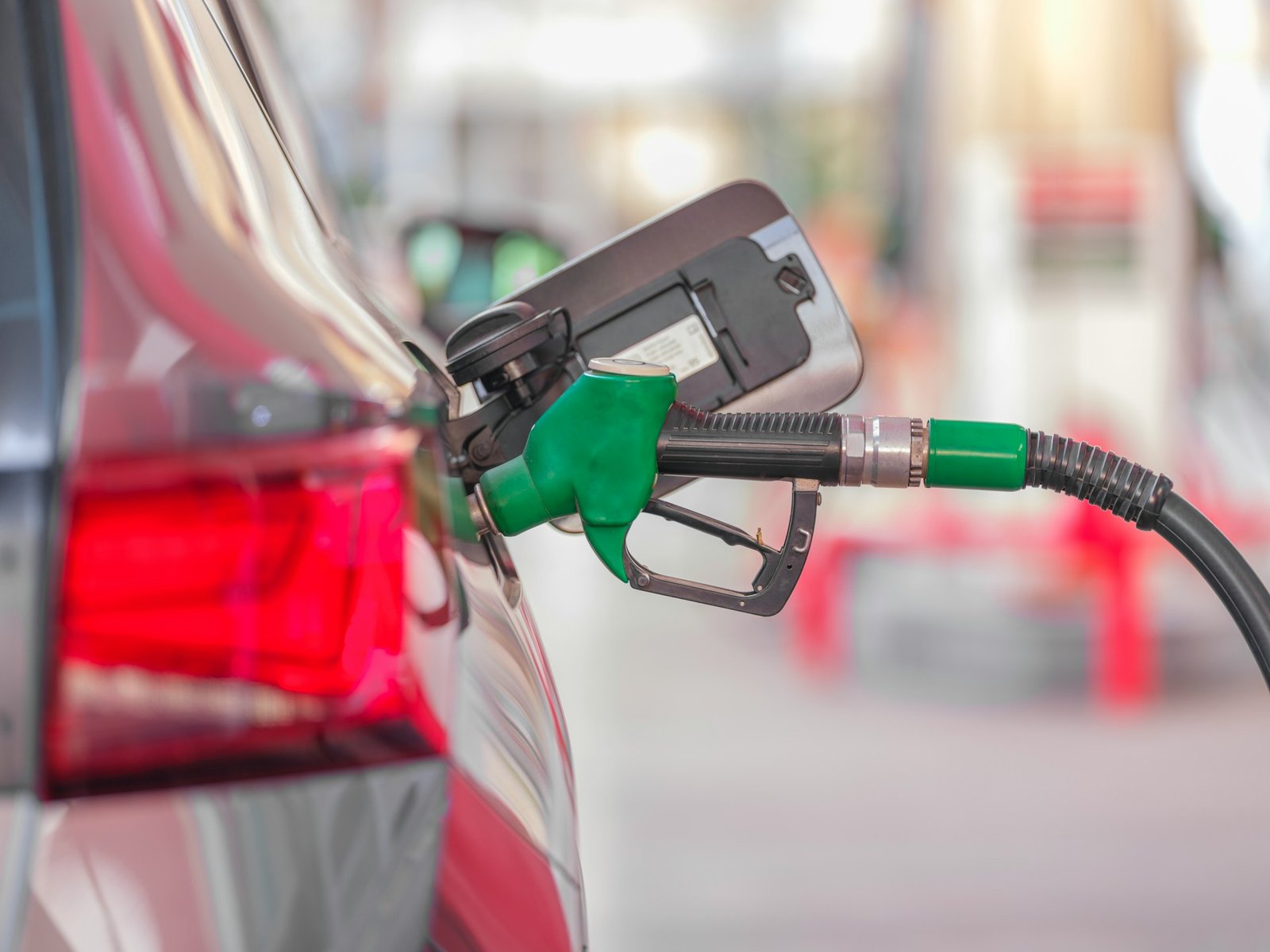
Gas was supposed to be 2026’s good-news story. GasBuddy’s January 6 forecast called for a $2.97 national average — the cheapest year since 2020. Then the Iran war escalated, and AAA’s national average landed at $4.09 a gallon on August 28, within reach of an all-time August record. Fed Chair Kevin Warsh just told the Jackson Hole symposium that underlying inflation “hasn’t meaningfully improved.”
This week splits your money into two buckets. Tide costs — gas, mortgage rates, anything tied to global markets — rise and fall with events, and timing them helps. Ratchet costs — subscriptions, bank fees, anything a company sets once — rarely come back down, so cancelling or opting out is the only lever that works. Fight them differently. Here’s both.
One Number That Matters
$4.09 — the national average price of a gallon of regular gas on August 28, 2026, per AAA data reported by the Deseret News, 88 cents higher than a year earlier. That’s roughly $6 more per fill-up than last September for an average sedan tank. Shift your next fill-up to Sunday: GasBuddy’s 2026 pricing analysis found it’s the cheapest day of the week to buy gas in most states.
Fed Watch for Normal People
The Fed held rates at 3.50%–3.75% in July on a divided 9-3 vote, with three members pushing for an immediate hike. At Jackson Hole in late August, Warsh’s “hasn’t meaningfully improved” comment moved markets — CME’s FedWatch tool put the odds of a quarter-point hike at the September 15–16 meeting at 66% as of August 31. A hike would be the first of Warsh’s tenure, reversing what most forecasters expected for 2026. Mechanically: a hike moves the prime rate almost immediately, which raises variable-rate credit card APRs within a billing cycle or two. The 30-year mortgage average, which sat near 6.0% for most of the spring, was already at 6.777% on September 1 — mortgage pricing moves ahead of the meeting, not after it. High-yield savings APYs are the one place a hike works in your favor instead of against you.
The Hack: Stop Filling Up on a Thursday
GasBuddy’s 2026 weekly-pricing analysis, covering a year of data across all 50 states, found that Sunday is the cheapest day to buy gas in most states, while Wednesday through Friday run highest — typically a 4-to-9-cent-per-gallon gap. In states with heavier “price cycling” (Texas, Michigan, Indiana, Ohio, Florida, and parts of the West Coast), that gap widens to 15 to 45 cents per gallon, and the biggest savings show up five to seven days after a price spike — like the one happening right now. Pair the timing shift with a free tracker app to compare stations before you commit to a pump.
Why it works: wholesale fuel prices set midweek, combined with the Energy Information Administration’s Wednesday inventory report, tend to filter down to the pump by Thursday. Stations rarely cut prices again before the weekend commodities market reopens Monday. That lag between wholesale and retail pricing is the gap you’re exploiting.
The Fine Print: USAA’s Shrinking Overdraft Cushion
USAA Federal Savings Bank raised its overdraft fee to $20 in 2026 and cut the balance cushion that avoids a fee — from $50 down to just $20 — according to a July 2026 issue brief from the National Consumer Law Center. An account that dips $21 into the negative now triggers a fee it wouldn’t have a year ago. If you bank with USAA, check whether you’re enrolled in overdraft coverage at all. Opting out turns a declined transaction into a $0 problem instead of a $20 one. Every bank’s cushion is different — ask yours what your specific threshold is before you find out the hard way.
Cancel This / Skip This
Apple TV+ jumped from $12.99 to $14.99 a month on August 28. Existing subscribers get 30 days’ notice before the new rate hits their card. That’s $24 more a year for a service most households use for a handful of shows a year. If you’re not mid-series, cancel now and resubscribe for a single month whenever something you actually want to watch lands — there’s no reactivation fee, and you dodge the increase entirely in the meantime.
Seasonal Radar: A Shorter Runway This Fall
Open enrollment for 2027 ACA marketplace coverage begins November 1 and, in most states, closes December 15, 2026 — a full month shorter than last year’s January 15 cutoff, per healthinsurance.org and ValuePenguin, following a federal change to the enrollment window. If you buy your own insurance or expect an income or household change before year-end, start comparing plans in October instead of waiting for the window to open. Miss the tighter deadline and you’re stuck until a qualifying life event opens a special enrollment period.
Your 24-Hour Move
Open your bank or credit union app. Check your savings account’s APY. If it’s under 4%, move your emergency fund into a high-yield savings account or open a short-term CD today — rates on both are elevated right now and could shift the moment the Fed decides on September 16. Lock today’s rate before it changes.
BuckShift Weekly is journalism, not financial advice. For decisions involving your specific situation, consult a qualified professional.
Until Next Week
That’s the read — gas, rates, and the fine print nobody sends you a memo about. Next issue: what actually changes in your wallet the day after the Fed’s September 16 decision, once the dust settles. Reply and tell me what you cancelled this week, or flag a price jump I haven’t caught yet. — The BuckShift desk